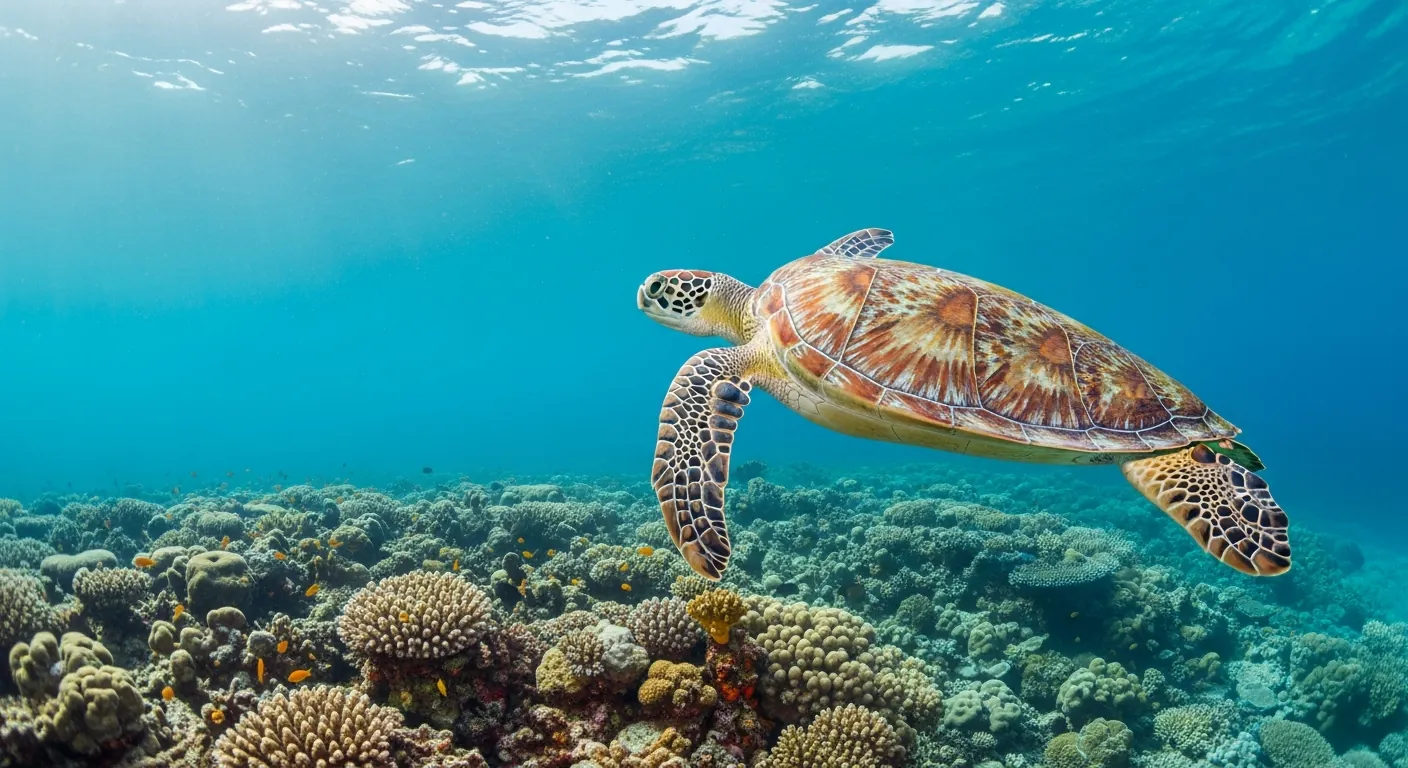
Gili Air diving offers an gateway to the vibrant underwater world surrounding the three idyllic Gili Islands, situated just off the northwest coast of Lombok, Indonesia. Renowned for its exceptional clarity and consistently warm waters averaging 28°C, this destination provides access to over 25 distinct dive sites teeming with diverse marine life, from majestic sea turtles and reef sharks to an array of colorful coral reefs. As a tranquil yet well-equipped base, Gili Air caters to all levels of divers, offering everything from PADI and SSI certification courses to exhilarating fun dives, making it a prime choice for exploring the dynamic ecosystems of the Lombok Strait.
Gili Air Diving: An Overview of the Underwater World
The allure of Gili Air diving extends far beyond its picturesque surface. Beneath the turquoise waters lies a dynamic and flourishing ecosystem, a true testament to the rich biodiversity of the Indonesian archipelago. The island, strategically positioned within the Lombok Strait, benefits from nutrient-rich currents that foster an incredibly vibrant marine environment. These currents, while sometimes challenging, are the lifeblood of the extensive coral gardens and volcanic topography that characterize the region’s dive sites. Visibility here often exceeds an impressive 20 meters, providing crystal-clear views of the expansive underwater world, making every dive a truly immersive experience.
For those seeking an unforgettable scuba diving adventure, the Gili Islands diving scene, with Gili Air at its heart, presents a compelling proposition. The consistent water temperature means divers can enjoy comfortable conditions year-round, typically opting for 3mm shorties or full suits primarily for sun protection rather than thermal insulation. This comfort, combined with the sheer abundance of marine species, makes diving around Gili Air a top choice for enthusiasts worldwide. From the smallest nudibranchs to larger pelagic species, the variety of sea life encountered during a dive Gili Air expedition is simply astounding, promising new discoveries on every descent.
Why Choose Gili Air for Your Diving Adventure?
Among the three renowned Gili Islands, Gili Air stands out as a unique and appealing destination for divers. Its charm lies in its perfect balance: more developed than tranquil Gili Meno, yet significantly more relaxed and less bustling than its larger sibling, Gili Trawangan (often simply referred to as Gili T). This equilibrium creates an ideal atmosphere for a focused yet enjoyable diving holiday. The island’s commitment to a slower pace of life, with fewer motorized vehicles and a strong emphasis on community, translates into a more personalized and intimate diving experience.
Gili Air as a Strategic Diving Base
With approximate coordinates of 8.35076°S, 116.07641°E, Gili Air functions as a highly strategic base for divers eager to explore the entirety of the Gili Islands diving offerings. Part of the trio of islands off the northwest coast of Lombok, Indonesia, Gili Air provides exceptionally convenient access to the surrounding dive sites. The island itself, home to about 1,800 residents, maintains a distinctly relaxed atmosphere, offering a serene contrast to the more developed infrastructure of Gili Trawangan. This makes it an excellent choice for those who appreciate tranquility after a day of exhilarating scuba diving.
Dive operators on Gili Air provide daily excursions to various locations, typically involving a short boat ride. The Gili Islands collectively boast around 25 distinct dive sites, all of which are accessible within a mere 15 to 30-minute boat journey from Gili Air’s eastern shore. This close proximity is a significant advantage, allowing for multiple dives per day, often with the convenience of returning to the island between sessions for surface intervals and relaxation. Unlike the potentially longer transfers required from a mainland hub like Lombok Harbor, Gili Air diving means minimal travel time and maximum underwater exploration. This accessibility is a key factor in why many dive centers and resorts choose to base themselves here, ensuring a seamless and efficient diving experience for their guests. The ease of access to the dive sites means more time spent underwater and less time commuting, enhancing the overall value of your diving trip.
Exploring the Gili Islands Dive Sites from Gili Air
The waters surrounding the Gili Islands are a diver’s paradise, offering a remarkable diversity of environments and marine encounters. From vibrant coral gardens to dramatic slopes and intriguing pinnacles, the 25+ dive sites accessible from Gili Air cater to every preference and skill level. The consistent currents of the Lombok Strait bring a steady supply of nutrients, supporting a thriving ecosystem that promises exciting encounters on every scuba diving excursion.
Popular Dive Sites Around Gili Air
Each dive site around the Gilis possesses its own unique character and resident marine life. Here are a few highlights that make Gili Air diving so special:
- Turtle Heaven: As its name suggests, this site is a guaranteed spot for encountering green and hawksbill sea turtles. The gentle slopes and abundant coral formations provide a perfect habitat for these graceful creatures, making it a truly magical experience for any diver. It’s a relatively shallow site, ideal for long bottom times and photography.
- Manta Point: While manta rays are seasonal visitors and sightings are never guaranteed, this site (and others like Simon’s Reef) offers the best chance to spot these magnificent pelagics during the right time of year. Even without mantas, the site is rich with other marine life, including reef sharks and schooling fish.
- Shark Point: Don’t let the name intimidate you; this site is known for its resident white-tip and black-tip reef sharks, which are generally shy and pose no threat. It’s a deeper site with strong currents, often featuring impressive schools of barracuda and trevally. The dramatic topography here makes for an exciting drift diving experience.
- Halik Reef: A sprawling reef system offering a variety of depths and conditions, Halik is famous for its diverse hard and soft corals. It’s an excellent spot for macro life, but also frequently visited by turtles and reef sharks. The healthy coral structures are a joy to explore, showcasing the resilience of the underwater world.
- Frogfish Point: This site is a haven for macro enthusiasts and an excellent location for muck diving. Here, divers can search for camouflaged creatures like frogfish, ghost pipefish, and various nudibranchs. The sandy bottom interspersed with small coral formations provides the perfect backdrop for these hidden gems.
- Secret Garden: A beautiful and relatively shallow site, Secret Garden is characterized by its vibrant soft corals and an abundance of colorful reef fish. It’s a fantastic spot for beginner divers and for those looking for a relaxed, picturesque dive.
- Hans Reef: Known for its gentle currents and healthy coral, Hans Reef offers a good mix of macro and wide-angle photographic opportunities. You might spot anything from pygmy seahorses to schools of fusiliers. It’s also a great example of a white sanded dive site in parts, contrasting beautifully with the vibrant corals.
Beyond these well-known locations, the Gili Islands diving experience includes numerous other sites, each with its own charm. Divers can expect to encounter a wide array of marine species, including clownfish darting through anemones, moray eels peeking from crevices, octopus, cuttlefish, and an incredible variety of nudibranchs. Keep an eye out for the elusive peacock mantis shrimp, a truly fascinating creature with its vibrant colors and powerful claws. The ongoing efforts in marine conservation, including the establishment of a small coral plantation at some sites, contribute to the health and beauty of these reefs, ensuring that the sea life continues to thrive for future generations of divers.
Fun Dives and Scuba Diving Courses on Gili Air
Whether you’re a seasoned diver with hundreds of logged dives or someone looking to take their very first breath underwater, Gili Air offers a comprehensive range of diving opportunities. The island’s dive centers are well-equipped to cater to all levels, providing both exhilarating fun dives for certified divers and structured courses for those seeking certification.
Beginner Diving: Discover Scuba Diving and Open Water Courses
For those new to the aquatic realm, scuba diving on Gili Air begins with introductory experiences. The “Discover Scuba Diving” program allows non-certified individuals to experience diving under the direct supervision of an instructor, often in shallow, calm waters, before progressing to an actual dive site. This is a fantastic way to get a taste of the underwater world without committing to a full course.
If you’re ready to become a certified diver, the Open Water Diver course is your gateway. Available through both PADI and SSI courses, this certification typically takes 3-4 days and combines theoretical knowledge, confined water skill practice, and four open water dives. Completing this course grants you a globally recognized certification, allowing you to dive independently with a buddy to a maximum depth of 18 meters. The calm, warm waters and excellent visibility around Gili Air make it an ideal location for learning to dive, ensuring a comfortable and enjoyable learning environment.
Advanced and Specialty Diving
Certified divers looking to expand their skills and explore deeper or more specialized aspects of diving will find a wealth of options on Gili Air. The Advanced Open Water Diver course builds upon your foundational skills, introducing you to different types of diving such as deep diving, navigation, night diving, and drift diving. This course typically involves five adventure dives and further enhances your confidence and capabilities underwater.
Beyond advanced training, a variety of specialty courses are available. For those fascinated by the smaller inhabitants of the reef, a muck diving specialty course can teach you how to spot the incredible array of cryptic creatures found on sandy or silty bottoms, from frogfish and pipefish to various species of nudibranchs and crustaceans. Other popular specialties include Enriched Air Nitrox Diver, Underwater Photography, Peak Performance Buoyancy, and Wreck Diver, though dedicated wreck sites are less common directly around the Gilis. These courses allow divers to hone specific interests and gain deeper knowledge, enriching their overall diving journey.
Choosing Your Dive Center or Dive Shop on Gili Air
Selecting the right dive center or dive shop is crucial for a safe, enjoyable, and memorable Gili Air diving experience. With many dive centers operating on the island, it’s worth taking the time to research and choose one that aligns with your priorities, whether that’s small group sizes, specific course offerings, or a particular atmosphere. While it’s impossible for an editorial guide to definitively name the best dive shop for every individual, there are key factors to consider.
When looking for a reputable dive center, consider the following:
- Safety Standards: Ensure the center adheres to international safety protocols, maintains its equipment meticulously, and has experienced, certified instructors and divemasters.
- Instructor-to-Student Ratios: Especially for courses, smaller ratios often mean more personalized attention and a better learning experience.
- Equipment Quality: Check if the rental equipment is well-maintained and modern.
- Environmental Ethos: Many dive centers on Gili Air are actively involved in conservation efforts. Choosing one with a strong environmental focus can enhance your responsible diving experience.
- Atmosphere: Some centers are bustling and social, while others offer a more laid-back, intimate vibe. Consider what suits your preference.
Spotlight on Gili Air Dive Operators
Among the numerous reputable operators, several names are well-established in the Gili Air diving scene. For instance, Manta Dive Gili Air is a prominent operator, known for its professional service and range of courses and fun dives. A standard boat dive, for example, with Manta Dive Gili Air, costs approximately 600,000 Indonesian Rupiah, excluding the marine park contribution. Other well-regarded operators include Gili Air Divers, which often receives praise for its friendly staff and excellent instruction, and Gili Divers, known for its long-standing presence and comprehensive offerings across the Gili Islands. While this guide cannot endorse one over another, these names frequently appear in discussions about quality diving experiences on the island. It’s always recommended to visit a few centers, speak with the staff, and get a feel for their operations before making your decision for your scuba diving adventure.
Gili Air vs. Gili Trawangan vs. Gili Meno: A Diver’s Perspective
While all three Gili Islands share access to the same spectacular dive sites, the experience of basing your diving holiday on each island differs significantly. Understanding these distinctions is key to choosing the perfect island for your Gili Islands diving adventure.
Gili Air: The Balanced Choice for Diving
As discussed, Gili Air strikes a harmonious balance. It offers a quieter, more relaxed environment than Gili Trawangan, with fewer motorized vehicles and a slower pace of life. Dive centers here tend to be smaller, fostering a more personalized atmosphere. This makes it ideal for divers who appreciate tranquility after a day of exploring the underwater world, but still want a good selection of restaurants, cafes, and accommodation options. The community feel and ease of getting around on foot or by bicycle add to its charm, making Gili Air diving a popular choice for couples, families, and solo travelers seeking a peaceful retreat.
Gili Trawangan: The Bustling Hub for Diving
Gili Trawangan, the largest of the three islands, offers a more developed infrastructure and a livelier atmosphere. It boasts the highest concentration of dive centers, restaurants, bars, and nightlife. For divers who enjoy a bustling social scene, a wider array of dining options, and more late-night entertainment, Gili T might be the preferred base. The sheer number of dive shops means competitive pricing and a broad selection of courses and daily fun dives. However, this comes with a trade-off: Gili Trawangan can feel more crowded and less serene than its sister islands. Despite the differences in shore environment, the quality of scuba diving is consistent across all three islands, as the boats from each depart to the same dive sites.
Gili Meno: Tranquility and Underwater Statues
Gili Meno is the smallest and most tranquil of the trio, often described as the honeymoon island. It offers the most secluded and peaceful experience, with minimal development and a truly laid-back vibe. For divers seeking ultimate relaxation and a complete escape from the hustle and bustle, Gili Meno provides an idyllic setting. While it has fewer dive centers compared to Gili Air and Gili Trawangan, the quality of diving remains high, with operators offering trips to all the common dive sites. Gili Meno is also home to the famous Biorock artificial reef project and the “Nest” underwater statues, which have become iconic attractions for divers and snorkelers alike, adding a unique dimension to the Gili Islands diving experience. However, options for dining and entertainment are significantly more limited here.
Ultimately, the choice between Gili Air, Gili Trawangan, and Gili Meno depends on your personal preferences for island life outside of diving. For many, Gili Air offers the perfect blend of excellent diving access and a relaxed, friendly island atmosphere.
Conservation and Responsible Diving in the Gili Islands
The beauty and biodiversity of the Gili Islands‘ underwater world are precious, and conservation efforts are vital to their preservation. All divers visiting the area are required to pay a one-off marine park fee of 100,000 Indonesian Rupiah. This fee directly contributes to local conservation initiatives, including coral reef monitoring, waste management programs, and educational outreach. When you engage in Gili Air diving, you are indirectly supporting these crucial efforts.
Responsible diving practices are paramount. This includes maintaining excellent buoyancy control to avoid contact with delicate corals, refraining from touching or disturbing marine life, and never taking anything from the reef. Many dive centers on Gili Air actively participate in and promote conservation, offering opportunities for divers to get involved in reef clean-ups or Biorock projects. By choosing an environmentally conscious dive shop and adhering to responsible scuba diving guidelines, you help ensure that the vibrant ecosystems of the Gili Islands continue to thrive for future generations of divers.
Getting to Gili Air and Practical Tips for Divers
Reaching Gili Air is part of the adventure, and the journey is relatively straightforward. Most international travelers arrive via Bali (Denpasar International Airport, DPS) or Lombok (Lombok International Airport, LOP). From Bali, fast boats depart regularly from Padang Bai or Serangan, offering direct routes to the Gili Islands. The journey typically takes 1.5 to 2.5 hours, depending on the departure point and sea conditions.
Alternatively, if you fly into Lombok, you can take a taxi or pre-arranged transfer to Bangsal Harbor. From Bangsal, public boats and speedboats frequently depart for Gili Air. It’s important to note that while Bangsal is the main gateway, it can be quite chaotic. Unlike Lombok Harbor (Lembar Port), which primarily serves larger ferries and cargo, Bangsal is geared towards the Gili Islands. Be prepared for porters and touts, and ensure you have a clear plan for your onward journey. Many hotels and dive centers can arrange transfers from Lombok Airport directly to Gili Air, streamlining the process.
Accommodation and Island Life
Gili Air offers a wide range of accommodation options, from budget-friendly bungalows and guesthouses to boutique resorts and luxury villas. It’s advisable to book in advance, especially during peak season. The island is small enough to explore entirely on foot or by bicycle. There are no cars or motorbikes, only bicycles and horse-drawn carts (cidomo), contributing to the peaceful atmosphere. You’ll find a good selection of restaurants serving local Indonesian cuisine, fresh seafood, and international dishes, along with charming beach bars perfect for sunset views after a day of exhilarating diving. ATMs are available, but it’s always wise to carry some Indonesian Rupiah for smaller purchases.
In conclusion, Gili Air diving offers an exceptional blend of world-class underwater exploration and a serene island experience. With its accessible dive sites, diverse marine life, and a welcoming community of dive centers, it stands as a premier destination for anyone passionate about scuba diving. Whether you’re seeking to earn your certification, thrilling fun dives, or simply immerse yourself in the tranquil beauty of the underwater world, Gili Air provides the perfect backdrop for an unforgettable adventure. The island’s charm, combined with the incredible biodiversity of the Gili Islands diving scene, ensures that every visit leaves a lasting impression.